In Situ Soil Remediation
Select the right in situ treatment strategy for contaminated soil using oxidation, reduction, and bioremediation technologies matched to site conditions and remedial goals.
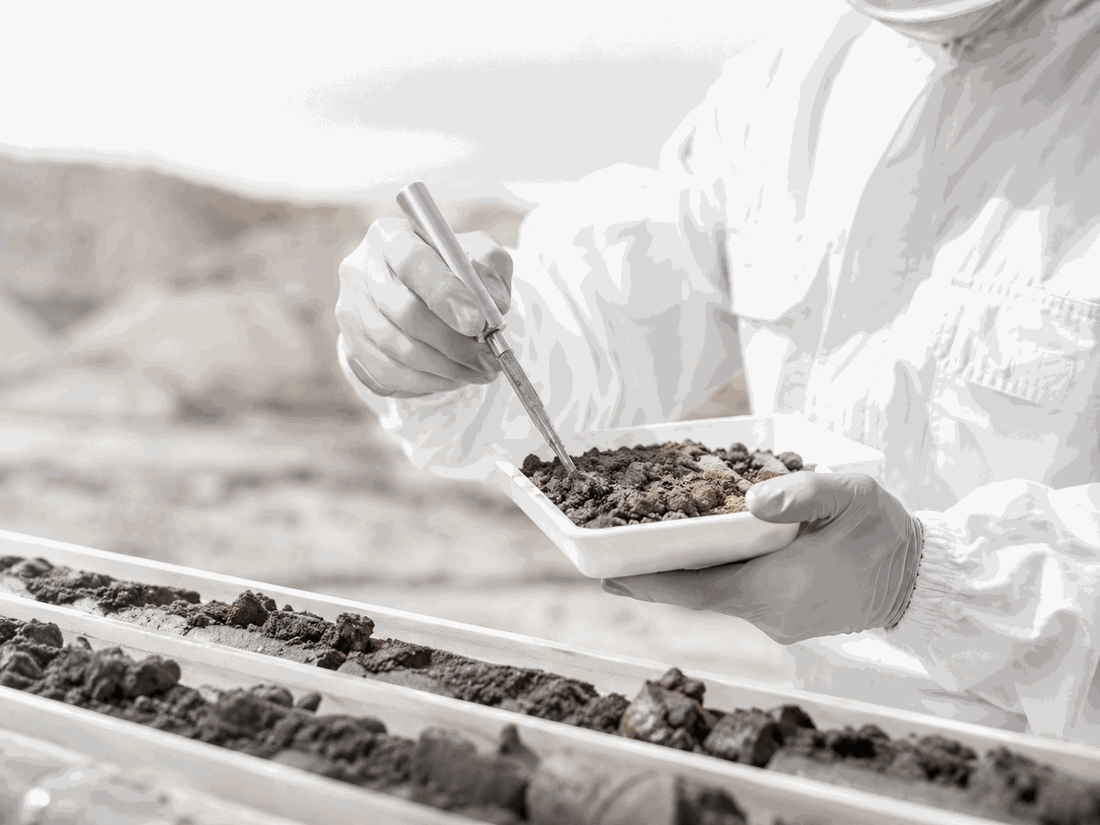
Treatment technologies and design solutions for contaminated soil
Soil remediation requires selecting treatment technologies that match the contaminant type, soil characteristics, and site conditions. In situ soil remediation treats contamination directly in place—eliminating the need for excavation, reducing costs, and minimizing disruption to site operations.
Hepure supports environmental consultants with both specialized remediation products and technical design guidance to develop effective soil treatment strategies across a wide range of contaminants.
Best For
Source areas, direct mixing, injection-based soil treatment, and treatment trains.
Key Benefits
Lower excavation costs, better access, less site disruption, and scalable delivery options.
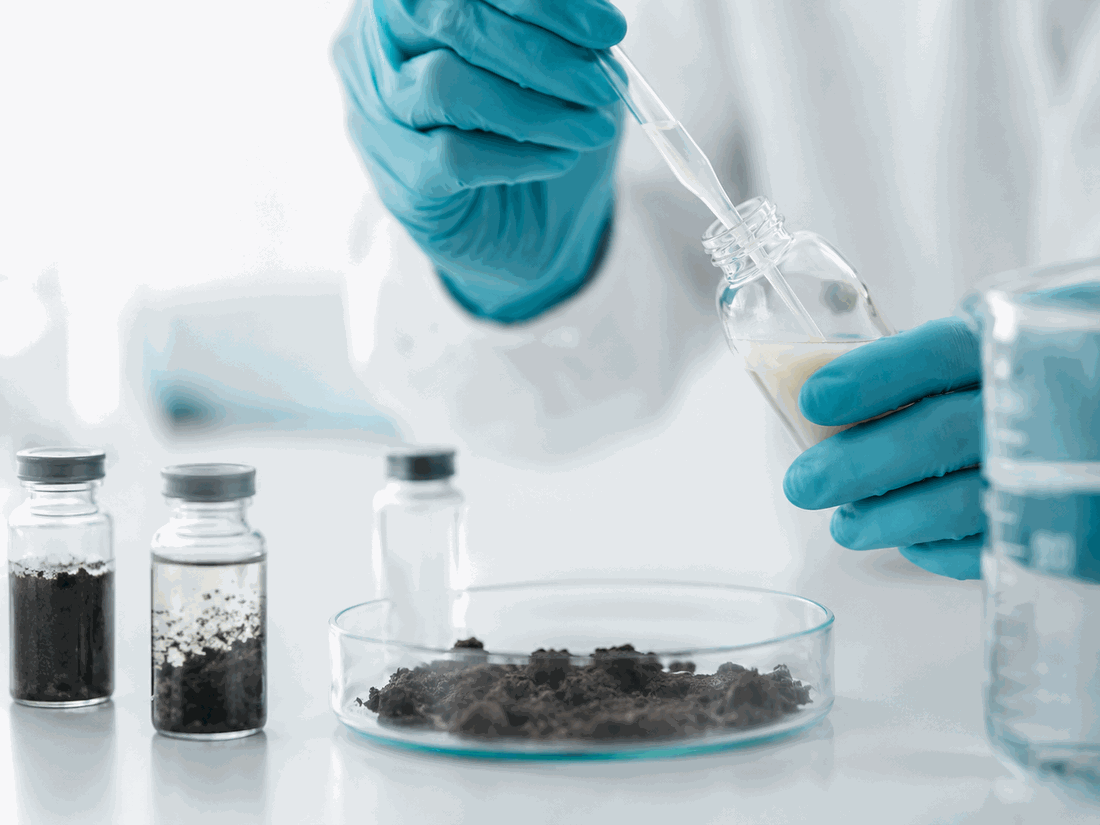
Core Soil Remediation Technologies
In Situ Chemical Oxidation (ISCO) for Soil
Chemical oxidation is one of the most effective approaches for treating contaminated soil, particularly in source areas.
- Common oxidants: potassium permanganate, sodium permanganate, activated persulfate, and hydrogen peroxide.
- How it works: strong redox reactions degrade organic contaminants into less harmful compounds.
- Target contaminants: chlorinated solvents (TCE, PCE, DCE), petroleum hydrocarbons, PAHs, phenols, and certain pesticides.
- Why it works well in soil: solid forms can be blended directly into soil matrices, reactions are fast on contact, and treatment performs well in heterogeneous subsurface conditions.
- Typical applications: soil blending, in situ injection (low or high pressure), direct application in excavation zones, and source-area treatment.
Zero Valent Iron (ZVI) for Soil Remediation
ZVI provides abiotic chemical reduction, breaking down contaminants without relying on biological processes.
- How it works: ZVI donates electrons to contaminants, driving dechlorination of solvents, reduction of metals, and stabilization of polyatomic anions such as nitrate and sulfate.
- Target contaminants: chlorinated solvents (CVOCs), certain metals, nitrate, and sulfate.
- Key advantages: no dependence on microbial activity, minimal formation of harmful byproducts, and long-term subsurface reactivity.
- Application methods: soil mixing, blending, and in situ injection for high-concentration source zones.
- Product focus: Ferox Flow for distribution and longevity, and Ferox Target for fast-reacting applications.
Enhanced Bioremediation in Soil
Bioremediation leverages naturally occurring microorganisms to degrade contaminants.
- Aerobic bioremediation: calcium peroxide releases oxygen and supports treatment of petroleum hydrocarbons.
- Anaerobic bioremediation: electron donors such as emulsified vegetable oil (EVO) and sodium lactate promote reductive dechlorination of chlorinated solvents.
- Key advantages: cost-effective, sustainable, suitable for large treatment areas, and often effective as a polishing step after primary treatment.
Selecting the Right Soil Remediation Approach
| Condition | Recommended Approach |
|---|---|
| High contaminant concentrations | ISCO or ZVI |
| Chlorinated solvents | ISCO or ZVI |
| Petroleum hydrocarbons | Aerobic bioremediation |
| Mixed contaminants | Combined treatment approach |
Integrated Soil Treatment Strategies
Many sites benefit from combining technologies:
- ISCO for rapid contaminant reduction
- ZVI for sustained treatment of residual contamination
- Bioremediation for long-term polishing
This integrated approach improves both short-term performance and long-term site closure outcomes.
Hepure Soil Remediation Solutions
| Technology Family | Products and Typical Use |
|---|---|
| Oxidation | Potassium permanganate and sodium permanganate for source treatment and soil blending; activated persulfate and hydrogen peroxide for highly reactive treatment of petroleum hydrocarbons, pesticides, and other recalcitrant compounds. |
| Reduction | Ferox ZVI (Flow and Target formulations) for soil mixing and injection applications requiring abiotic reduction. |
| Bioremediation | Calcium peroxide for aerobic treatment; emulsified vegetable oil and sodium lactate as long- and short-term electron donors. |
Why In Situ Soil Remediation? In situ approaches reduce excavation and disposal costs, minimize environmental disturbance, allow treatment of difficult-to-access areas, and provide scalable solutions for complex sites.