Hydrogen Peroxide
Hepure supplies remediation-grade hydrogen peroxide for in situ chemical oxidation and enhanced bioremediation via Fenton’s chemistry.
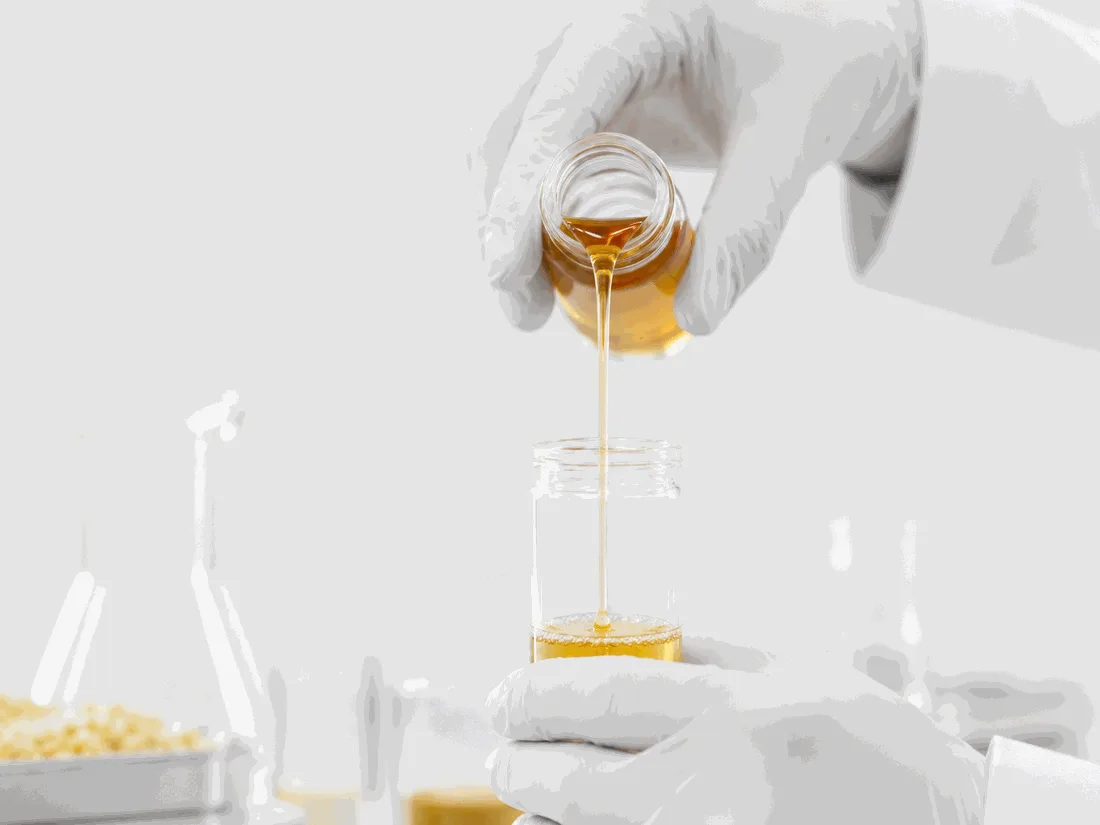
Buying Hydrogen Peroxide for Remediation
Hydrogen peroxide is the fastest oxidant we sell — and the one that punishes a sloppy plan the hardest. When consultants call Pat or Bob about H2O2, the conversation is rarely “do you have it.” It’s concentration, catalyst, injection sequence, and freight timing. This page is built to start that conversation properly.
Hepure supplies remediation-grade hydrogen peroxide for catalyzed in situ chemical oxidation and aerobic bioremediation, quoted by concentration and volume and delivered through distributor relationships positioned across the United States. Field programs typically specify solutions from 3% up to 35% by weight — tell us what your design calls for and we’ll quote to it. If you’re still choosing between oxidants, start with our chemical oxidants comparison or just call; matching oxidant to site is most of what our technical team does all day.
What Peroxide Actually Does Downhole
On its own, hydrogen peroxide is a capable oxidant. Add a ferrous iron catalyst and it becomes something else entirely: the iron drives production of hydroxyl radicals (•OH) — the classic Fenton’s reaction, run at pH 2.5–3.5 — which attack contaminants far more aggressively than peroxide alone. Ferric iron produced in the reaction converts back to ferrous and keeps the radical production going, which is why the catalyst plan matters as much as the peroxide itself. We supply the standard catalyst too: ferrous sulfate, quoted alongside your peroxide so the ratios arrive as one coordinated order.
Two side effects do real work. Strong solutions (above 10%) react exothermically — controlled, that heat helps desorb and dissolve LNAPL that would otherwise sit out of reach. And peroxide decomposes rapidly to oxygen: every part of H2O2 introduced to groundwater yields about half a part of oxygen, raising dissolved oxygen in the saturated zone and feeding aerobic biodegradation long after the radical chemistry is done. Many petroleum hydrocarbon programs buy peroxide as much for that oxygen as for the oxidation — it’s a legitimate two-for-one on BTEX and fuel-release sites.
Is Peroxide the Right Oxidant for Your Site?
Our honest selection guidance, the same way we’d give it on the phone: peroxide is fast, aggressive, and short-lived. If you need maximum destruction in a source zone and can manage the injection program, catalyzed peroxide is the tool. If your plume needs weeks of oxidant contact as groundwater moves through it, permanganate holds in the formation far longer. If you want radical chemistry with more activation flexibility and persistence, look at activated persulfate — which, for some designs, peroxide itself can help activate. Plenty of sites use more than one. There’s no prize for forcing a single chemistry onto a site that wants two.
Hydrogen Peroxide for Water and Wastewater Treatment
Hydrogen peroxide is the cleanest oxidant you can add to water: it breaks down to water and oxygen and leaves no salt behind. In treatment it does three jobs, oxidizing sulfide, driving Fenton’s chemistry with ferrous iron, and destroying cyanide, plus a fourth in drinking water, where it’s the oxidant in UV advanced oxidation.
Industrial Wastewater
Sulfide control comes first for most buyers. Peroxide oxidizes dissolved sulfide to elemental sulfur near neutral pH, at about 1 pound of H2O2 per pound of sulfide, or all the way to sulfate at higher pH, at about 4 pounds per pound. Either way, the odor and corrosion stop. Actual doses depend on pH, contact time, and whatever else in the water competes for the peroxide.
Paired with ferrous sulfate at acidic pH, peroxide generates hydroxyl radicals (Fenton’s chemistry) that break down phenols and other organics that resist biological treatment. It’s a common pretreatment ahead of a biological system or a batch step on its own, and the iron precipitates when the water is neutralized afterward. We quote the ferrous catalyst with the peroxide so both arrive on one order.
Peroxide also oxidizes free and weak-acid-dissociable cyanide to cyanate in rinse waters and other cyanide-bearing streams, with dissolved copper as the catalyst. It doesn’t break iron-cyanide complexes.
Mine Water
At precious-metal operations, peroxide treats free and weak-acid-dissociable cyanide in tailings water and ponds, converting it to cyanate with copper as the catalyst. Large continuous programs usually buy high-strength peroxide direct from a producer; our 3% to 35% range fits batch, pond, and smaller continuous work.
Drinking Water
In UV advanced oxidation, peroxide dosed ahead of the lamps splits into hydroxyl radicals that destroy compounds UV alone can’t, such as 1,4-dioxane. Long Island water suppliers have built this treatment out to meet New York’s 1 µg/L limit for 1,4-dioxane, with granular carbon downstream to remove the leftover peroxide. Confirm the strength your UV system is designed for; we supply up to 35%.
Supplying Hydrogen Peroxide for Water Treatment
We quote hydrogen peroxide by concentration and volume, from 3% to 35% by weight, delivered through distributor relationships across the United States. It’s an oxidizer, so confirm storage, venting, and materials compatibility before the first delivery. Send the strength, volume, and schedule for pricing and lead time. See all Hepure water treatment chemicals.
What to Have Ready When You Request a Quote
- Concentration and volume — the percentage your design specifies and how much of it. If you only have treatment-zone dimensions and contaminant data, we can help work backward to quantities.
- Your catalyst plan — Fenton’s-type programs need the iron accounted for; we’ll quote it together.
- Site location and delivery window — oxidizer freight has rules; the earlier we know the schedule, the better the rate.
- Handling setup on site — storage, dilution, and materials compatibility deserve a conversation before the truck arrives, not after. Strong peroxide and the wrong fittings don’t mix.
Call 866-727-4776 — Pat Randall (x1) in the West, Bob Kelley, Ph.D. (x2) in the East — or send your site details and we’ll respond with pricing, lead time, and anything we’d flag in the design.
Common Questions
What does hydrogen peroxide do to water? It decomposes into oxygen and water — nothing else. That clean breakdown is exactly why it’s used in groundwater: it oxidizes contaminants, raises dissolved oxygen, and leaves no persistent residual chemistry behind.
What concentration should I specify for ISCO? Field programs run from 3% to 35% by weight depending on the design — how much oxidant demand the soil exerts, how the injection is staged, and whether the heat of stronger solutions is a feature or a liability at your site. Bring your site data and we’ll talk through it.
Are you a hydrogen peroxide supplier or a distributor? Functionally, both ways of searching land in the right place: Hepure supplies remediation-grade peroxide through a national distributor network, with the technical support of a company that’s done nothing but remediation chemistry since 1994. You get one point of contact, one CoA, and one phone number when something on site changes.
Can hydrogen peroxide and persulfate be used together? Yes — dual-oxidant designs exist, and peroxide can serve as a persulfate activator in some programs. Whether that’s right for your site is a design question; call and we’ll give you a straight answer.
Request More Information
Contact our technical team for product specifications, custom quotes, and site-specific guidance.
Contact Us →