Carbon Products
Hepure’s Fluxsorb colloidal and powder carbon products and CarbPure granular activated carbon for adsorption-based treatment of PFAS and other contaminants in soil and groundwater.
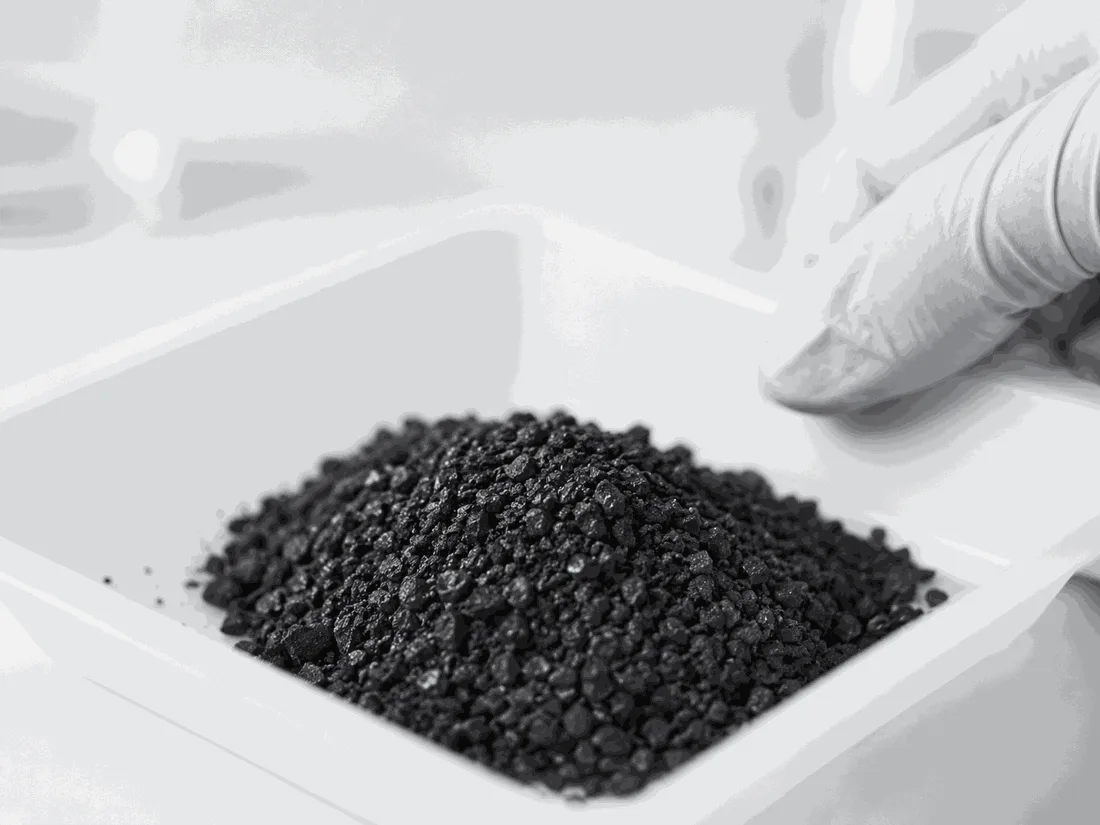
Injectable Colloidal Carbon: In Situ PFAS Sequestration and Plume Control
We’ll say the honest thing first, because it’s the first thing consultants ask: activated carbon doesn’t destroy PFAS. It stops the plume. For the sites we’re asked about — PFAS moving off a source area toward a receptor, with no field-proven in situ destruction technology available today — stopping the plume is the job, and injectable colloidal carbon is the tool that does it at a fraction of the cost of trenching a barrier.
Colloidal activated carbon (CAC) is an adsorbent and carrier material for in situ groundwater remediation of PFAS, PFOS, and many organic contaminants. A colloid is a mixture in which one substance, consisting of microscopically dispersed insoluble particles, is suspended throughout another — here, activated carbon with particle sizes in the low-micrometer range suspended in water. That’s what makes it injectable. Hepure’s line covers the three forms this chemistry takes in the field: Fluxsorb RC colloidal carbon for injection, Fluxsorb RP powdered activated carbon for soils and sediments, and CarbPure TRA for water treatment systems. Cost comparisons across the forms are on our colloidal carbon FAQ.
How Colloidal Carbon Works in an Aquifer
CAC is injected into the subsurface as an aqueous suspension. As it deposits on the sediment grains around the injection point, it creates a sorption-active zone — a barrier that prevents hydrophobic pollutants, PFAS and PFOS included, from spreading further with groundwater flow. Because the particles are so small, the material travels through the formation and can be applied through existing well screens, which is where most of the cost advantage over a trenched permeable reactive barrier comes from.
CAC can also serve as a support for catalysts or reagents, establishing a combined sorption/reaction barrier or attempting direct source removal. The concept has been put into practice with a bi-functional colloid — CAC carrying deposits of zero valent iron at roughly 20 wt% — for reductive dehalogenation of halogenated hydrocarbons, so that sorbed contaminants are degraded in place rather than merely held.
PFAS in Groundwater: What Carbon Does — and Doesn’t
Ex situ PFAS treatment is well established; full-scale systems are operating today, primarily granular activated carbon added to existing pump-and-treat infrastructure. In situ, there are currently no validated approaches that destroy PFAS in groundwater. What many studies and projects have demonstrated and validated is the field application of CAC for in situ sequestration of PFAS in source-area groundwater — halting plume expansion while the science on destruction catches up. Hepure’s colloidal carbon is the field-practical in situ PFAS tool available today: it adsorbs PFAS and remains stable over very long periods. See the fuller picture on our PFAS solutions page and in PFAS remediation techniques.
Hepure’s Colloidal Carbon Product Line
Hepure’s colloidal carbon is an injectable product line designed to target groundwater and soil-laden contaminants that have historically proven difficult to treat. The physical and chemical characteristics of the material can be tailored to specific applications, which makes it a low-cost advanced in situ remediation technology rather than a one-size product.
Benefits: fast kinetics — quickly achieves groundwater targets · high persistence — favorable longevity · safe chemistry — non-reactive, no byproducts · minimizes undesirable reactions — no metals mobilization · compatible amendment — easily integrated into a combined remedy · minimal disturbance — compatible with low-pressure injection.
Carbon Product Family
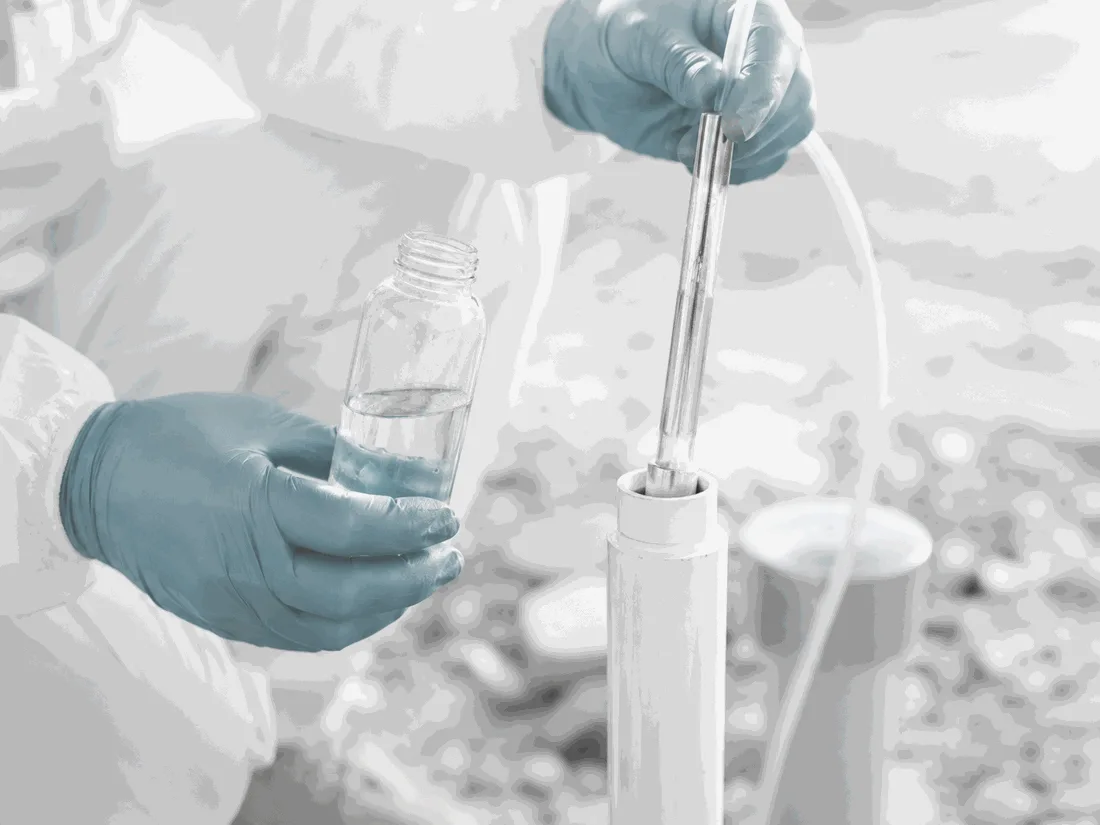
FluxSorb RC
Injectable colloidal carbon for creating in situ adsorptive barriers.
View Product →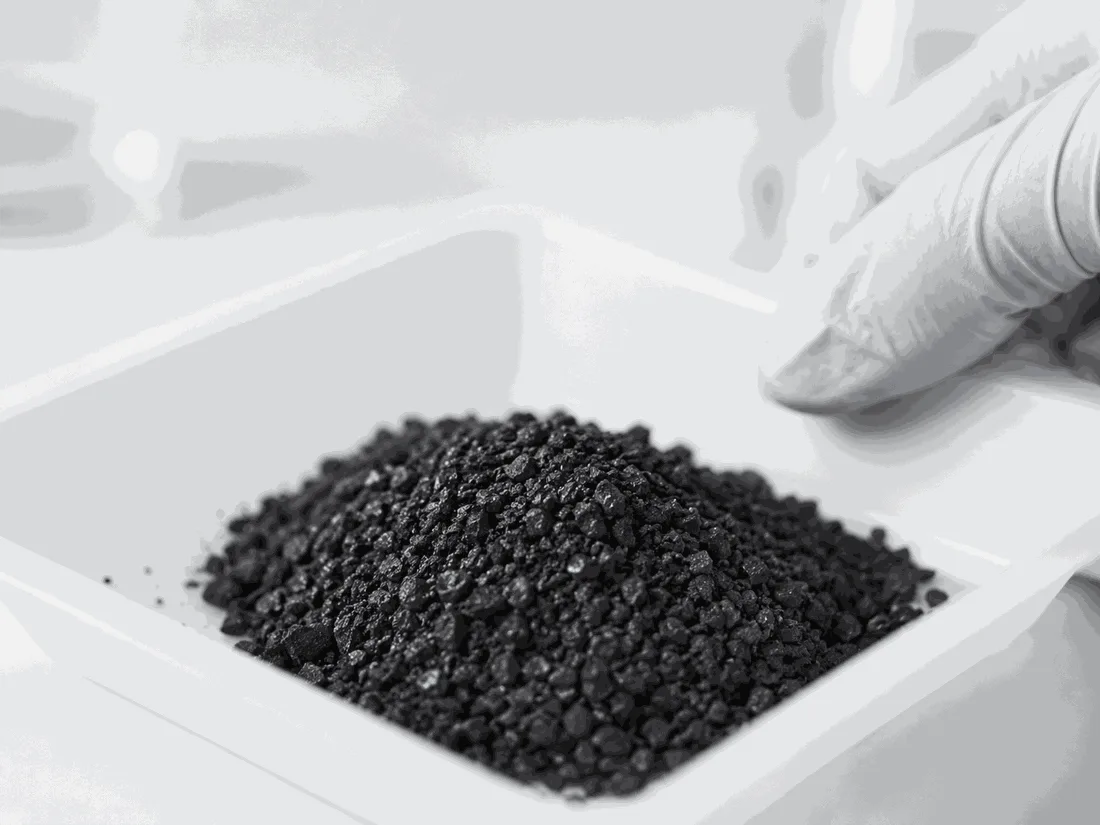
FluxSorb RP
Powdered activated carbon for contaminated soils, sediments, and waters.
View Product →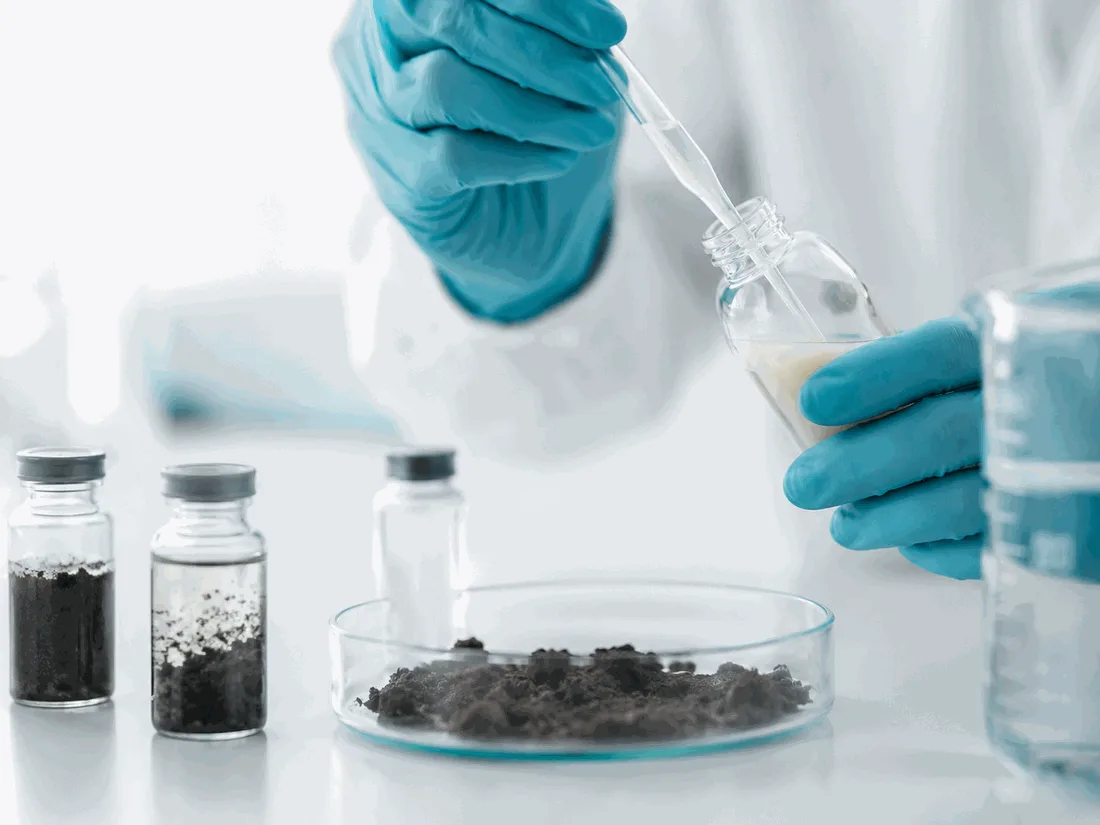
CarbPure TRA
Activated carbon for surface, ground, and wastewater treatment — AWWA B600 / NSF 61.
View Product →Product Notes
CarbPure TRA is a high-quality activated carbon designed for enhanced treatment of surface water, groundwater, and wastewater — produced from a proprietary blend of virgin activated carbons. The RA platform is engineered for improved reaction kinetics for contaminant capture, to aid systems with short residence times, and its physical characteristics are optimized for a high degree of dispersion and suspension. CarbPure TRA meets ANSI/AWWA B600-16 standards and is certified to NSF/ANSI Standard 61. Specification sheet on our Technical Resources page.
Fluxsorb RP RA is a high-quality, domestically manufactured powdered activated carbon engineered for contaminated sediments, soils, and waters. Produced from locally sourced feedstocks and activated under carefully controlled conditions to create optimal pore volume, it is an effective, low-cost adsorptive medium for in situ remediation.
Design Notes
Two things we’d rather you hear before the order than after. Sorption capacity is finite: dose to contaminant mass with a safety factor, not to treatment volume alone, and let a bench sorption test set the number for your water chemistry. And sequestration is not closure: PFAS held on carbon still needs monitoring, so build the long-term sampling plan into the remedy from the start. Strategy across all three forms is on our carbon solutions page.
Common Questions
Does colloidal carbon destroy PFAS? No — it adsorbs and immobilizes them, stopping plume migration. Destruction technologies remain research-stage in situ; adsorption is today’s field-practical toolset.
Which product do I need? Fluxsorb RC for injection and plume barriers (largest radius of influence, works through existing wells); Fluxsorb RP for soil mixing, sediments, and excavation work; CarbPure TRA for ex situ water treatment systems. Contaminant type, concentration, hydrogeology, and treatment objective all bear on the choice — send site data and we’ll match it.
How is it supplied? Colloidal carbon ships in 275-gallon totes; powdered and granular grades are quoted by volume. Call 866-727-4776 — Pat Randall (x1) West, Bob Kelley, Ph.D. (x2) East — or request more information.
References
- SERDP/ESTCP. Validation of Colloidal Activated Carbon for Preventing the Migration of PFAS in Groundwater. Project ER20-5182.
- Georgi, A., et al. (2015). Colloidal activated carbon for in-situ groundwater remediation. Journal of Contaminant Hydrology, 179.
- Bleyl et al. (2012); Mackenzie et al. (2007, 2008, 2012) — bi-functional carbon–iron colloids for reductive dehalogenation.
Request More Information
Contact our technical team for product specifications, custom quotes, and site-specific guidance.
Contact Us →